Way To Develop Furniture Ideas
FurniShape approaches furniture design through use, dimensions, proportion, materials, and repeated visual checks. Each concept is measured, sketched, tested, and revised before decorative details take over.
How A Concept Becomes Clearer
Define The Purpose
Begin with the room, the user, and the objects the furniture must support, store, display, or keep within reach.
Compare Forms
Sketch several silhouettes before choosing one, then adjust width, height, depth, visual weight, and the relationship between parts.
Test Before Refining
Use drawing views, tape outlines, and simple cardboard models to find clearance, scale, stability, and assembly questions early.
Design Decisions Stay Connected
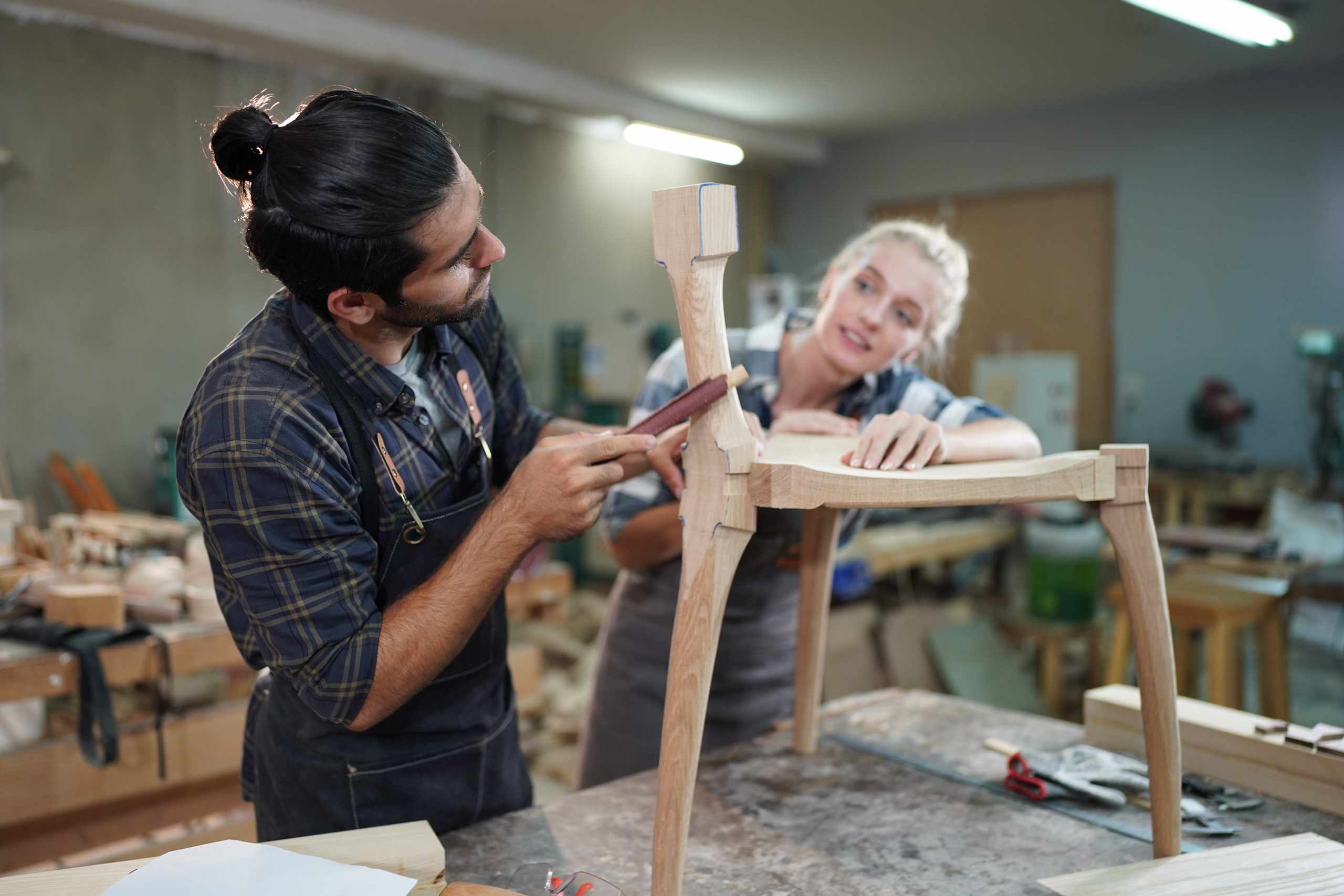
A furniture piece is not treated as a shape alone. Material thickness changes internal space, hinges affect door movement, supports influence stability, and edge treatment alters the final appearance. The course keeps these decisions visible while a concept develops.
What Guides The Practice
Do I need drawing experience?
No advanced drawing background is assumed. Early exercises use simple perspective, measured lines, and clear front, side, and top views.
Does the process begin with appearance?
The process begins with purpose, available space, human scale, and the objects the piece must support before surface styling is refined.
Why draw the same piece from several views?
A front elevation can hide excessive depth, poor shelf spacing, blocked drawers, or unstable supports that become visible from another angle.
Are physical models part of practice?
Small paper, foam board, or cardboard mock-ups can make proportion, balance, and the relationship between panels easier to judge.
How are materials considered?
Materials are compared through thickness, weight, grain direction, edge treatment, storage capacity, and the way parts may connect.
Are the finished concepts production drawings?
The exercises develop clearer design concepts and construction questions, but a maker or technical specialist may still need to review a piece before production.